
The FreshXpress Rapid Meat Cooling Tunnel is an advanced rapid chilling system engineered for commercial meat processors looking to increase throughput, reduce carcase shrink, improve meat quality and lower operating costs. Suitable for lamb, beef and other red meat processing facilities, our Australian patented technology rapidly cools carcases while maintaining tenderness, food safety and export-ready quality.
Commercial Rapid Meat Cooling Tunnel
Commercial Meat Cooling Technology
Why Rapid Chill Matters
Traditional meat chilling is often one of the largest bottlenecks in processing facilities. Long cooling times, product shrink, high electricity consumption and limited chiller capacity all impact profitability.
FreshXpress Rapid Chill Technology helps processors remove these bottlenecks by rapidly cooling meat while maintaining tenderness, reducing shrink, increasing throughput and lowering operating costs.
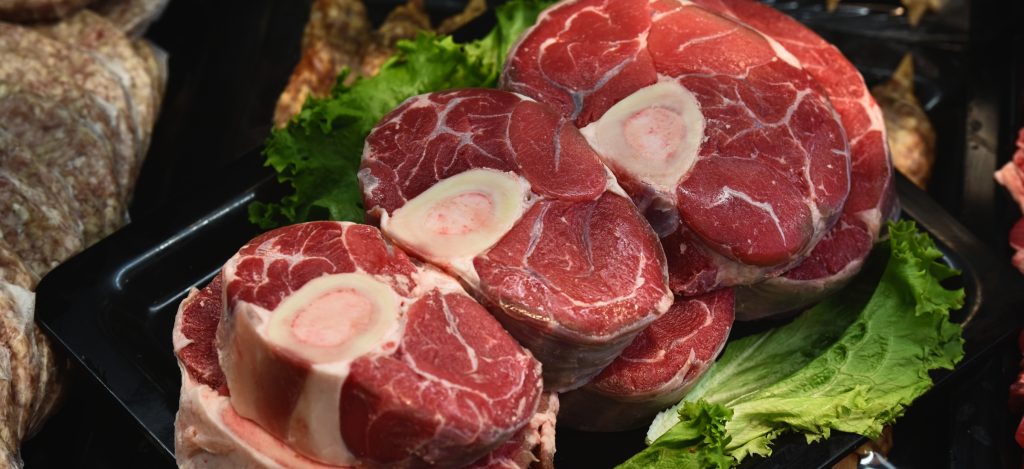
Preserve Meat Quality Through Rapid Chilling
Tenderisation and taste enrichment—two cornerstones of quality meat. Our tunnel not only preserves the integrity of your meat but enhances its very essence, ensuring a dining experience like no other.
Improve Food Safety with Rapid Cooling
Navigating from ‘pre-chill to post-chill’ within an hour, we stand as a bulwark against threats like E.coli and other bacteria. Ensuring not just fresh, but safe produce every time.
Extend Meat Shelf Life and Reduce Product Loss
Why settle for less when you can have more? Our advanced cooling system guarantees extended shelf life for every hour spent in the tunnel. More than just extending freshness, it’s about amplifying quality.
Increase Throughput and Reduce Processing Costs
With the capability to produce a whopping 100 tonnes daily, we’ve optimised our system to cater to both domestic and international needs. 80 tonnes cooled and ready for export on the very same day translates to monumental savings—slashing 12 to 14 hours of electricity every single day.
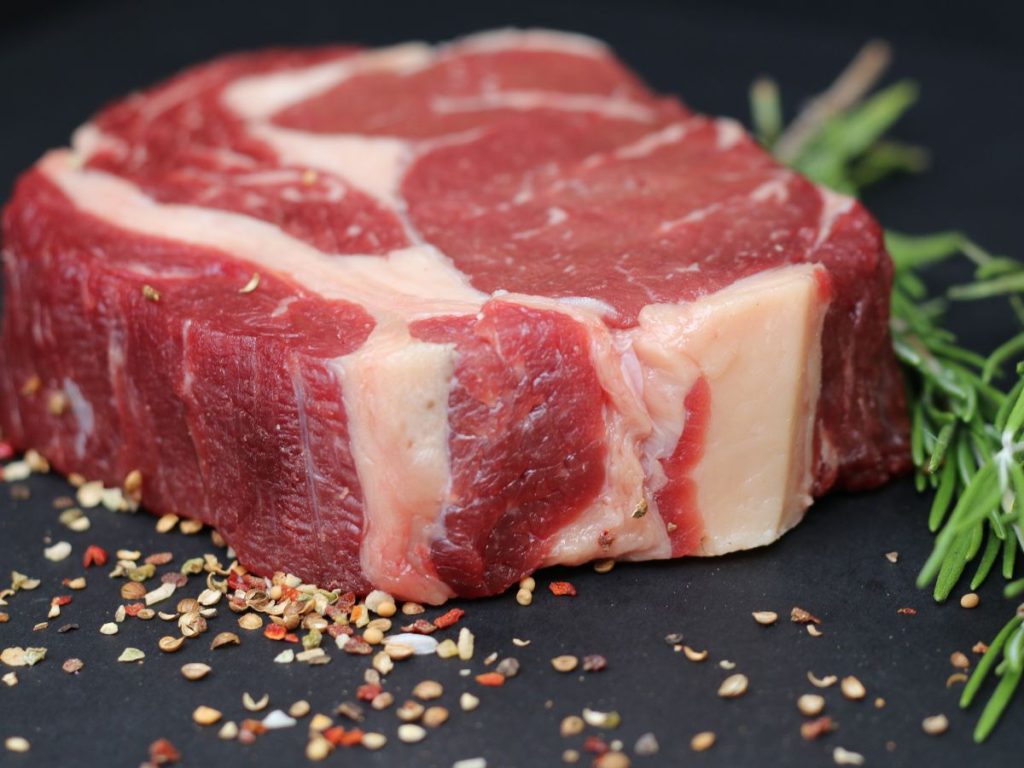
Why Rapid Cooling Matters in Meat Processing
Rapid chilling is one of the most critical stages in modern meat processing. The speed at which a carcase is cooled directly influences meat quality, production efficiency, operating costs and overall profitability. Traditional chilling methods can create processing bottlenecks, increase energy consumption and contribute to unnecessary product shrink. FreshXpress Rapid Chill Technology has been engineered to overcome these challenges by rapidly reducing product temperature while protecting meat quality and supporting more efficient processing operations.
Revolutionising Red Meat Chilling with FreshXpress
At FreshXpress, we’re committed to pushing boundaries in food processing—delivering practical innovation that makes a measurable difference. Our latest breakthrough, Rapid Chill Technology, is changing the game for Australia’s lamb and smallstock processors, helping the industry become leaner, greener, and more profitable.
What is Rapid Chill Tech?
Rapid Chill is a modular, stand-alone chilling system, originally designed for fresh produce, now engineered for red meat. The technology rapidly chills lamb carcases to below 0°C in under five hours—without using nitrogen, glycol, or liquid CO₂. This eliminates long-standing bottlenecks in conventional chilling, all while protecting meat quality and boosting plant efficiency


Key Benefits for Processors
1. Faster, Flexible Chilling
-
Chills carcases in as little as two hours (loin temp <4°C), even in a retrofitted fruit chiller—demonstrated in trials at FreshXpress facilities.
-
Reduces reliance on large, energy-intensive chiller rooms.
2. Superior Meat Quality
-
Avoids “cold shortening” by getting to 0°C fast, maintaining tenderness and optimal pH.
-
No negative impact on eating quality, colour, or shelf life—validated by University of New England meat science testing.
3. Operational & Financial Gains
-
Increases daily plant throughput by 10–15% by removing chilling bottlenecks.
-
Cuts energy usage, reduces carcase shrink, and lowers overheads.
-
Delivers an extra $6.42 per head for lamb processors not using spray chilling.
-
Payback in as little as 1.1 years for large plants—NPV of over $40 million across 10 years for high-volume processors.
4. Sustainable by Design
-
Modular system slots into existing plants, cutting carbon footprint and optimising space.
-
Enables faster boning, shorter chilling cycles, and same-day load-out for whole carcases.

Scientific Results: Trust the Data
Validation Trials:
-
-
46 lamb carcases tested (retrofit at FreshXpress; research by UNE).
-
Rapid Chill achieved carcase temp below 0°C in <5 hours (loins in <2 hours).
-
No detrimental impact on shear force or ultimate pH.
-
No significant differences in colour or eating quality.
-
Business Case:
-
-
Annual net benefit up to $7.43 per head for large lamb plants (outright purchase).
-
Small entry-level units available for smaller processors, with fast ROI.
-
Models support both outright purchase and lease options.
-
Rapid Chill Technology is an advanced modular cooling system designed to rapidly reduce the core temperature of meat carcases while maintaining product quality. It helps processors improve throughput, reduce operational costs, minimise carcase shrink and optimise chilling efficiency without the use of nitrogen, glycol or liquid CO₂.
Rapid Chill removes one of the biggest bottlenecks in meat processing—the chilling phase. By reducing cooling times, processors can increase throughput, improve utilisation of existing chillers and move products through production more efficiently. Independent modelling identified throughput improvements of approximately 10–15% for suitable processing facilities.
Yes. The technology was independently evaluated through an Australian Meat Processor Corporation (AMPC) project, with meat science testing conducted by the University of New England (UNE). The research evaluated temperature decline, meat quality, pH, shear force, shrink, energy efficiency and commercial benefits.
During independent testing, Rapid Chill reduced loin temperatures below 4°C in less than two hours, with the system demonstrating the ability to rapidly cool carcases while maintaining meat quality.
The independent research found no detrimental impact on eating quality. In fact, the trials demonstrated that Rapid Chill maintained tenderness while avoiding the cold shortening issues associated with conventional chilling methods.
Cold shortening occurs when muscle fibres contract excessively during chilling before the natural pH decline is complete, potentially reducing tenderness. Rapid Chill Technology has been designed to rapidly cool carcases while avoiding this effect, helping maintain premium meat quality.
Yes. Reducing moisture loss during chilling is one of the major commercial advantages of Rapid Chill Technology. Independent modelling identified lower carcase shrink as a significant contributor to improved processor profitability.
Yes. Faster cooling enables processors to reduce chilling bottlenecks and improve production flow. Independent business modelling demonstrated throughput improvements of up to 10–15% depending on plant operations.
Yes. The technology has been developed to reduce reliance on large conventional chiller rooms while improving cooling efficiency. Independent commercial modelling identified reduced energy consumption as one of the major financial benefits for processing plants.
No. The Rapid Chill system operates without nitrogen gas, liquid carbon dioxide or glycol, simplifying plant operation while reducing associated costs and environmental impacts.
Yes. The modular design allows the system to be integrated into existing processing facilities, enabling businesses to improve performance without completely replacing their existing infrastructure.
Depending on plant size and production volumes, processors may benefit from:
- Increased throughput
- Reduced product shrink
- Lower electricity consumption
- Improved operational efficiency
- Faster product turnaround
- Reduced overhead costs
- Improved return on investment
The independent AMPC evaluation demonstrated strong commercial benefits across a range of processing scenarios.
Yes. Faster chilling and improved product quality support processors supplying domestic and international markets. The technology can help prepare chilled product for faster dispatch while improving utilisation of existing processing infrastructure.
FreshXpress combines innovative engineering with independently evaluated science to deliver practical commercial outcomes. Rather than simply cooling meat faster, the system has been developed to help processors improve profitability, efficiency, sustainability and long-term competitiveness.